
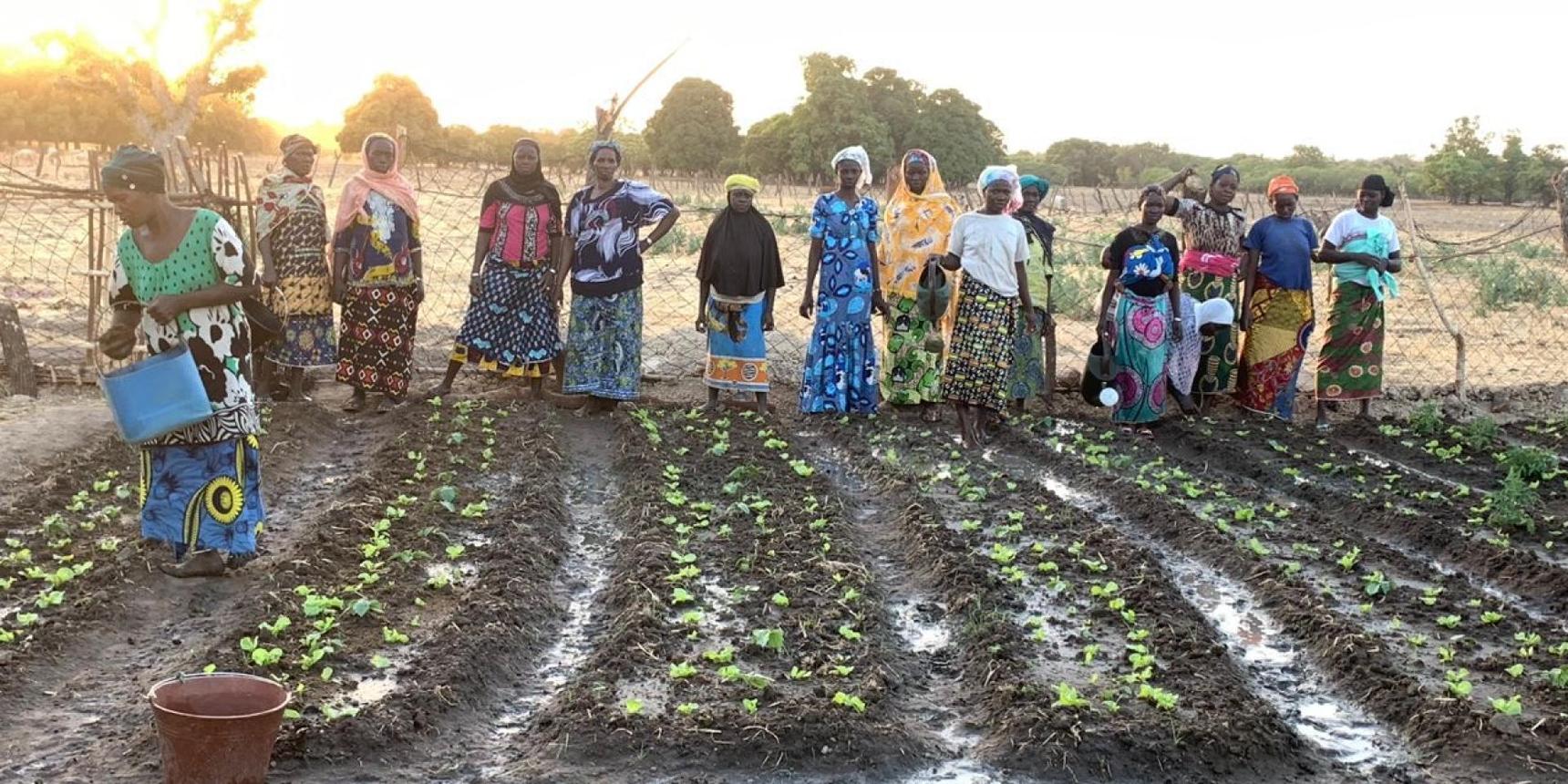
Educating, training and working together for sustainable food systems in Mali and Burkina Faso
On World Food Day, celebrated every year on 16 October, ECOS Sahel reaffirms the importance of education, practical training and community engagement in building a safer, more sustainable and inclusive food future for Mali, Burkina Faso and the wider Sahel region.
This year’s theme, promoted by the Food and Agriculture Organization of the United Nations (FAO), is “Innovate today. Nourish tomorrow.” It reminds us that addressing food insecurity requires not only innovation and technology, but also local knowledge, solidarity and the collective capacity of communities to act.
Agriculture as a pathway to independence and dignity
Across the Sahel, agriculture and livestock farming are much more than economic activities. They support household food security, create employment, preserve traditional knowledge and strengthen community resilience.
However, climate change, pressure on natural resources, economic hardship and insecurity continue to threaten the livelihoods of many families, particularly young people, women and displaced populations.
Meeting these challenges requires accessible, locally adapted solutions that help communities strengthen their long-term independence.
Training young people to transform their communities
At ECOS Sahel, we believe that practical training is an essential driver of development. Equipping young people with agricultural and livestock-farming skills, promoting sustainable production methods and encouraging rural entrepreneurship can open new economic opportunities.
Protecting soil, managing water responsibly, improving the value of local produce, producing compost and sharing knowledge about climate change can all contribute to more resilient farms and communities.
These efforts must pay particular attention to women, girls, vulnerable young people and displaced populations, ensuring that everyone has an opportunity to participate in economic and social development.
Education also shapes the future of food
Food security begins with education.
Helping children understand where food comes from, the nutritional value of local products, the importance of water and the need to protect the environment encourages responsible habits from an early age.
Education can bring schools, families, farmers and communities together around a shared goal: understanding the connections between food, health, the environment and solidarity.
Community learning spaces, awareness-raising activities and practical learning initiatives can play an important role in passing this knowledge on to future generations.
A shared commitment across Mali and Burkina Faso
Through its work in Mali and Burkina Faso, ECOS Sahel promotes an approach to development that connects education, social cohesion and climate resilience.
We believe that lasting solutions to food insecurity must be built with communities, drawing on their knowledge, experience and initiatives. They also require cooperation among civil society organisations, farmers, local authorities, public institutions, development partners and the private sector.
Food insecurity cannot be addressed through a single intervention. It requires investment in people’s skills, locally relevant solutions and partnerships that turn community initiatives into lasting results.
Together, let us grow local solutions
On World Food Day 2026, ECOS Sahel invites young people, families, community organisations, agricultural stakeholders and development partners to work together towards more resilient and inclusive food systems.
Innovation also means sharing knowledge, training a young person, empowering a woman, protecting natural resources or supporting a community initiative.
Every action matters when it strengthens local communities and helps build a better future for generations to come.
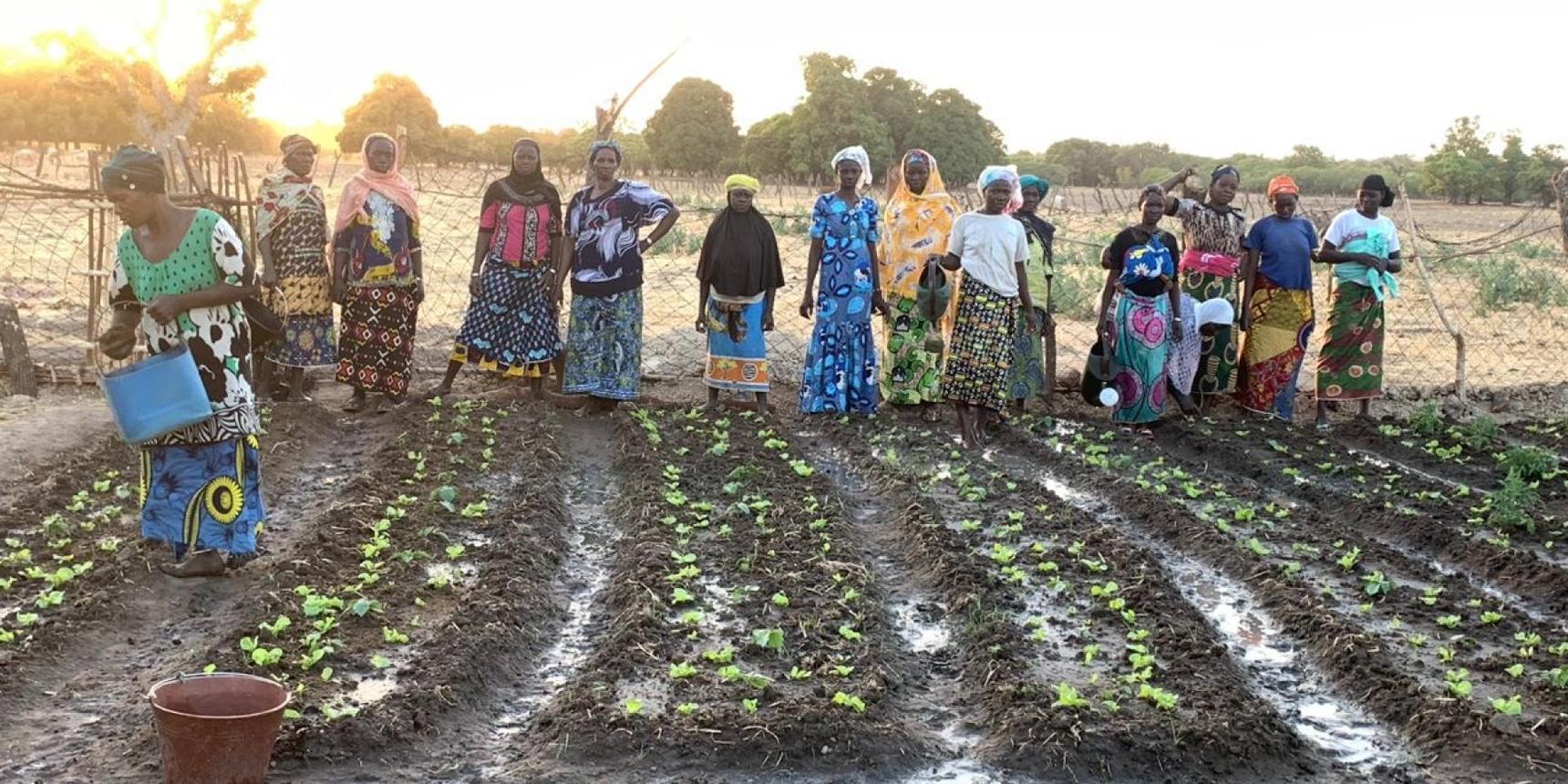
Together, let us innovate today to nourish tomorrow.
Reference: Food and Agriculture Organization of the United Nations (FAO), World Food Day 2026: https://www.fao.org/world-food-day/en